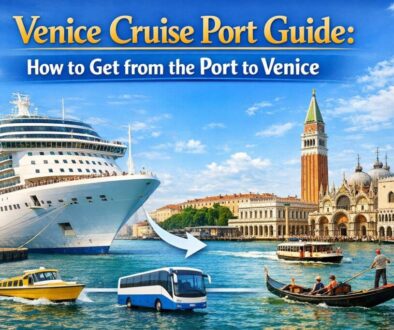

Venice is one of the few cities where walking is not just the best way to explore it — it is the point of the visit. The best things to see in Venice on foot are not spread out in the way they are in most cities. They sit close together in a maze of lanes, bridges, small squares, canals and waterfront viewpoints, which means a smart walking route can take in the city’s biggest landmarks and its most atmospheric corners in the same half-day.
The challenge is that Venice looks simple on a map and feels more complicated in real life. Distances are deceptive, signs can be confusing, and a short route on paper may involve several bridges and detours. That is why the best things to see in Venice on foot are easiest to enjoy when you think in clusters: San Marco, Rialto, Cannaregio, and Dorsoduro. These are the areas that give first-time visitors the best mix of icons, local character and practical walking connections.
Quick Answer
If you only have a short time, focus on Piazza San Marco, St Mark’s Basilica, Doge’s Palace, the Bridge of Sighs, the Rialto Bridge, Rialto Market, and a few quiet canal-side lanes between them. For a more memorable visit, add Cannaregio or Dorsoduro so you experience Venice beyond the most photographed square.
Venice’s official tourism information reinforces what experienced travellers already learn quickly: this is a pedestrian city first, with water buses used to connect longer distances. For route planning, it helps to view the location on Google Maps before you set out, then be prepared to rely on landmarks as much as distance.
For travellers who want to move through the city with more confidence, Walkables’ self-guided walking tours are designed for exactly this kind of destination: walkable, historic, and easy to enjoy at your own pace.
Why Venice is best explored on foot
Venice is a city of islands, bridges and narrow lanes, so there are no cars in most of the historic centre. That makes walking the natural way to see it. You will not just move from one landmark to another; you will pass through small courtyards, tucked-away campi, waterfront paths and sudden views that are easy to miss if you rely only on transit.
A pedestrian city shaped by canals and bridges
Unlike cities built around straight streets, Venice constantly changes direction. A route that looks direct may bend around a canal, rise over a bridge, or pass through a narrow calle that opens into a square. This is part of the appeal, but it also means that the best things to see in Venice on foot are often discovered between the famous sights rather than only at them.
Why distances feel longer than they look
A map can make a walk from San Marco to Rialto seem brief, yet the route may feel longer once you account for bridges, foot traffic and the occasional wrong turn. The city rewards travellers who slow down. If you try to treat Venice like a place to “cover” quickly, you can end up frustrated. If you accept that the walk itself is the attraction, the city becomes much easier to enjoy.
When to combine walking with vaporetto transport
Walking is ideal for the compact historic centre, but the vaporetto is useful for longer hops, waterfront stretches and moments when you simply want to save energy. The smartest Venice itinerary often mixes both: walk the core landmarks, then use the water bus to shift between districts or return after a long sightseeing loop. You can check the official transport system through ACTV’s website if you need to plan around routes or timings.
Ready to Explore Venice?
Discover Venice at your own pace with a Walkables self-guided audio walking tour.
The best things to see in Venice on foot
If you are visiting Venice for the first time, start with the classic core. These are the sights that matter most because they combine historical significance, architectural drama and the easiest walking connections.
Piazza San Marco
Piazza San Marco is the city’s central stage and the natural starting point for many walking routes. It is where Venice feels most formal, most photographed and most recognisably Venetian. Even if you do not linger long, it is worth crossing slowly so you can take in the scale of the square and the surrounding buildings.
St Mark’s Basilica
St Mark’s Basilica is one of the major reasons people come to Venice in the first place. Its mosaics, domes and layered history make it more than just another church visit. Because opening hours and access arrangements can change, it is sensible to check the official basilica website before you go: Basilica di San Marco.
Doge’s Palace
Next door to the basilica, Doge’s Palace gives you the political heart of old Venice. It is a particularly strong stop if you want context for how the republic once worked. The palace is also easy to combine with the square and the nearby waterfront, making it one of the most efficient stops in the city for a walking itinerary. Official information is available via the Musei Civici di Venezia site.
Bridge of Sighs
The Bridge of Sighs is often photographed from the outside rather than crossed as a standalone destination, but it remains one of the city’s essential walking sights. It links neatly to the Palace area and works best as part of a short loop through San Marco.
Rialto Bridge
The Rialto Bridge is Venice’s other essential landmark and one of the best places to understand the city’s relationship with the Grand Canal. It is not just a viewpoint; it is also a connector between sides of the city and a natural waypoint on foot. If you are building the best things to see in Venice on foot into one route, Rialto belongs near the centre of the day.
Rialto Market
Close to the bridge, Rialto Market adds energy and everyday life to the itinerary. Even when you are not shopping, the area gives you a sense of Venice as a working city rather than only a monument city. Morning is usually the most rewarding time to visit, when the stalls and surrounding lanes feel livelier.
Grand Canal viewpoints
Venice’s Grand Canal is best experienced in layers: from bridges, from waterfront edges and occasionally from the vaporetto. Walking points along the canal let you pause, look both ways and understand how the city is shaped by water. These are often simple stops, but they are among the most rewarding because they make the city legible.
Hidden alleys and campi
Some of the most memorable moments in Venice happen away from the headline attractions. Small campi, quiet side streets and unexpected courtyard spaces give the city its texture. This is where walking becomes less about ticking off monuments and more about observing daily life, laundry lines, narrow canals and the changing light on old stone.
Cannaregio canal-side walks
Cannaregio is a strong choice if you want a calmer walk with more room to breathe. The canal-side paths here can feel less intense than the central tourist zone, while still offering classic Venice atmosphere. It is a useful district to add if you want the best things to see in Venice on foot to include something more local and less hurried.
Campo Santa Margherita
Campo Santa Margherita is a good stop for travellers who want a square with everyday rhythm rather than a strictly monumental setting. It works especially well as part of a Dorsoduro walk, where you can balance churches, canals and student-life energy with some quieter sections.
Libreria Acqua Alta
Libreria Acqua Alta is one of Venice’s more unusual stops and worth including if you enjoy places that feel distinctly of the city rather than simply on it. It is especially useful as a walking pause between more famous sites, and it gives your route a different kind of character. You can also browse browse tours and activities if you want to add other experiences during your stay. Walkables may receive a commission if you book through this link.
Quiet churches and neighbourhood corners
Venice rewards curiosity. Some of the most satisfying stops are small churches, tucked-away bridges and side streets where you suddenly lose the crowd. These corners do not always feature in fast itineraries, but they are often what people remember most after the trip.
💡 Walkables Travel Tip
In Venice, the most useful map is not always the one with the shortest line. Use landmarks, bridge names and neighbourhoods to orient yourself, and check your route before you set off so you can enjoy the walk instead of constantly backtracking.
The best walking areas for first-time visitors
If you only have one day or a half-day, do not try to see all of Venice equally. Focus on the areas that are closest together and most rewarding on foot. The city is compact enough to make this possible, but it still helps to choose a clear walking pattern.
San Marco
San Marco is the most famous and most concentrated area for first-time visitors. It gives you the square, the basilica, the palace and the surrounding streets in one walkable zone. If your time is limited, this is the one district where you can see several of the city’s most important sights without overcomplicating the day.
Rialto
Rialto is the best area for linking Venice’s commercial history with its most famous bridge. It works well after San Marco because the route between them gives you a sense of the city’s layers: grand public spaces, smaller lanes, canal edges and then the bridge crossing itself.
Cannaregio
Cannaregio is a strong choice if you want the same essential city feeling with fewer crowds and more room to wander. It is particularly appealing for travellers who prefer atmosphere over constant sightseeing pressure. This district is also a sensible place to slow down for lunch or a quieter late-afternoon stroll.
Dorsoduro and Campo Santa Margherita
Dorsoduro gives you a slightly softer, more relaxed walking experience. It is ideal if you want Venice to feel lived-in as well as iconic. Campo Santa Margherita adds a local centre of gravity, while the surrounding streets offer an easier pace than the tightest parts of San Marco.
How to avoid getting lost in Venice
Getting lost in Venice is not a disaster, but it can waste time if you are trying to see a lot in one day. The trick is to understand how the city works before you start walking.
Use landmarks, not just distance
Don’t rely on straight-line distance alone. A route that seems simple can still involve several turns, small alleys and bridges. Think in terms of “San Marco to Rialto” or “Rialto to Cannaregio” rather than just minutes on a map.
Why mobile data helps
Connectivity is genuinely useful in Venice. A travel SIM or eSIM can help you check maps, verify water bus times and confirm route changes in real time. For Australian travellers, it also makes it easier to look up attraction hours, transport updates and access rules on the move. If you are comparing travel connectivity options, you may want to learn more about Wise for handling overseas spending and local payments while you travel. Walkables may receive a commission if you sign up through this link.
Check bridges, routes and vaporetto timings
Venice can change under your feet. Temporary works, seasonal crowd controls or high water can alter how you move around the city. Before you leave your hotel or cruise transfer point, it is worth checking official transport and city notices so you do not waste time on avoidable detours.
What to know before you go
Venice is a brilliant walking city, but it also asks you to be prepared. A little planning makes the experience smoother, especially during busy travel periods.
Crowds and petty crime
Australia’s Smartraveller advice for Italy notes that petty crime, including pickpocketing, can occur in crowded tourist areas and transport hubs. That is particularly relevant in Venice around San Marco, Rialto and vaporetto stops. Keep your bag secure and stay alert in dense crowds. You can review the latest advice on Smartraveller’s Italy page.
Access-contribution rules for day visitors
Venice has introduced visitor-management measures, including a day-tripper access contribution during certain periods. The rules can change by date and season, so if you are visiting for only part of the day, check the official site before you go: Venice access contribution information.
Flooding, uneven paving and bridge steps
Expect uneven surfaces, bridge steps and occasional high-water conditions. Good walking shoes make a bigger difference here than they do in many other cities. If there is acqua alta or another disruption, your route may need to change. The city’s official notices and transport information are worth checking on the day.
Opening hours and seasonal changes
Major attractions such as St Mark’s Basilica and Doge’s Palace can have seasonal opening patterns, timed entry or closures. Do not assume that a landmark will be open simply because it is famous. The official websites are the safest sources for current information.
Want to Discover More on Foot?
Explore Walkables self-guided audio experiences and enjoy Venice at your own pace, with the freedom to pause, explore and take in the city properly.
A better way to experience the best things to see in Venice on foot
Venice is the kind of city that rewards context. You can absolutely walk it with a map and a list, but you will get more from it when you know why each place matters and how the pieces fit together. That is where a self-guided audio approach works well. It lets you move at your own pace, stop for photos or coffee, and still get the background that makes the city feel coherent rather than confusing.
For travellers who prefer independence, the best things to see in Venice on foot are not just a checklist. They are a route, a rhythm and a way of understanding the city through movement. Start in San Marco, continue to Rialto, add a quieter district like Cannaregio or Dorsoduro, and keep room in the day for the unexpected lanes that make Venice feel unlike anywhere else.
If you want the structure of a guided experience without giving up flexibility, Venice is an ideal place to press play and walk on your own terms.
In the end, the best things to see in Venice on foot are the ones that let you experience the city as it was meant to be experienced: slowly, closely and with time to look up, look around and get a little lost in the best possible way.