
Venice hidden gems are best found the old-fashioned way: by walking slowly, drifting away from the main tourist circuit, and letting the city’s lanes, bridges, and canals lead the way. Venice has no cars in its historic centre, so exploring on foot is not just part of the experience — it is often the best way to find quieter corners that feel more local, less hurried, and more rewarding than the obvious headline sights.
If you are planning a Venice trip and want to see more than St Mark’s Square and the Rialto area, this guide focuses on lesser-known places that are worth seeking out on foot, plus the practical realities of walking in a bridge-heavy city. That includes how to combine walking with vaporetto transport, why offline maps matter, and what Australian travellers should know about access fees, Schengen rules, and connectivity.
Quick Answer
The best Venice hidden gems are usually quieter neighbourhoods, smaller squares, canal-side lanes, and low-key places that reward wandering rather than rushing. Cannaregio, Castello, Dorsoduro, and Giudecca are all strong areas to explore on foot if you want a calmer side of Venice.
null
Why Venice is best explored on foot
Venice is a city designed for walking. Its historic centre has no cars, and that changes the rhythm of a visit completely. Distances can look short on a map and still take longer than expected once you factor in bridges, narrow alleys, steps, and the occasional wrong turn. That is part of the charm, but it also means a good walking plan makes a real difference.
A car-free city built for wandering
The lack of traffic is what gives Venice much of its atmosphere. You are not dodging buses or taxis; instead, you move between campi, bridges, and waterways, often hearing very little beyond footsteps and water. For travellers looking for Venice hidden gems, that slower pace is an advantage because it gives the city room to surprise you.
What to expect from Venice streets and bridges
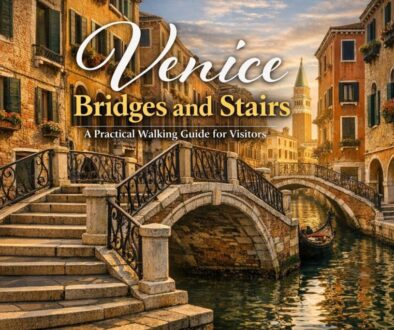
Walking here is not difficult, but it is not always effortless. Expect uneven paving, occasional steps, and routes that bend around canals rather than following a neat grid. Bridges can add a surprising amount of effort to even a short walk, so it helps to wear comfortable shoes and leave room in your schedule. The official tourism and city information from Comune di Venezia and Venezia Unica reinforces how central walking and water transport are to getting around the city.
Why walking reveals more than the main landmarks
The headline sights are popular for good reason, but the mood of Venice often lives in the quieter transitions between them. A small square with locals chatting outside a church, a side canal with laundry hanging overhead, or a lane that opens suddenly onto a calm waterfront can stay with you longer than a crowded monument. That is why Venice hidden gems work so well for travellers who prefer discovery over checklists.
For travellers who want a more structured way to explore on foot, Walkables offers self-guided walking tours that can help turn wandering into a more immersive experience. Press Play, follow the route, and explore at your own pace.
Ready to Explore Venice?
Discover Venice at your own pace with a Walkables self-guided audio walking tour.
The best quieter areas to explore
When people talk about Venice hidden gems, they often mean neighbourhoods that feel a little calmer than the city’s busiest landmarks. These are not secret places, and they should not be treated as empty or untouched. But they do offer a more relaxed way to experience the city on foot.
Cannaregio for canal-side atmosphere and a local feel
Cannaregio is often one of the first places travellers turn to when they want to step away from the main visitor flow. It has long canal views, everyday residential rhythms, and plenty of streets that encourage slow wandering. If you are looking for Venice hidden gems that still feel unmistakably Venetian, this is a good area to spend unhurried time in.
Castello for slower streets and neighbourhood discovery
Castello stretches east of the busiest core and can feel more spacious in parts, especially once you move away from the most obvious routes. It rewards travellers who enjoy simply walking and seeing where the streets lead. You may pass small squares, local shops, and quiet corners where the pace feels noticeably softer.
Dorsoduro for art, campos, and a more relaxed pace
Dorsoduro tends to appeal to travellers who like a mix of atmosphere and culture without quite as much pressure as the busiest parts of Venice. It is a good neighbourhood for meandering between galleries, waterfront views, and campi that feel more open than the narrowest lanes elsewhere. For many visitors, it is one of the most satisfying areas for Venice hidden gems because it balances interest with breathing room.
Giudecca for a quieter perspective across the water
Giudecca offers a different angle on the city altogether. It sits across the water and can feel calmer than the central districts, which makes it appealing if you want to slow things down. Walking here gives you broader waterfront views and a sense of space that contrasts nicely with the denser parts of Venice.
For anyone planning to pair walking with water transport, it is worth checking current ACTV information through ACTV’s official transport website. Venice’s water buses are part of everyday life here, and they can be a practical way to connect quieter walking areas.
Hidden gems in Venice worth seeking out
The phrase Venice hidden gems can mean different things depending on your travel style. Some people are looking for smaller squares. Others want canal-side walks, local bacari, or streets where the mood changes every few minutes. The best approach is not to chase “secret” places, but to seek out corners of the city that feel less crowded and more alive in everyday ways.
Lesser-known campi and small squares
One of the pleasures of Venice is how often a narrow street opens into a campo, or square, that feels like a pause button. These spaces can be some of the most satisfying Venice hidden gems because they reveal the city at a human scale. Sit for a moment, watch the pace of the neighbourhood, and you start to understand Venice differently.
Canal-side walks away from the busiest routes
The main routes around St Mark’s and the Rialto area can be rewarding, but they are not the whole story. Turning down quieter canal-side lanes often gives you the kind of Venice that travellers remember most: reflections in the water, modest bridges, and glimpses of daily life. These routes work especially well for independent travellers who enjoy a loose plan rather than a fixed itinerary.
Small bridges, narrow lanes, and artisan areas
Part of the fun of walking Venice is noticing the details you would miss from a boat or from a set itinerary. A tiny bridge, a workshop window, a weathered doorway, or a lane that suddenly widens into a quiet pocket of the city can all become highlights. Some of the best Venice hidden gems are not single attractions at all, but the spaces between them.
Local bacari and casual stopping points
Bacari — the informal wine bars that many visitors love — are useful not only as places to eat or drink, but also as markers of neighbourhood life. Stopping for a break in a casual local spot can reset the pace of your walk and make the city feel more approachable. If you like exploring on your own terms, these pauses are part of the experience.
If you want ideas for things to do beyond self-guided wandering, the Walkables article companion to a city like this pairs naturally with browse tours and activities. Walkables may receive a commission if you book through the affiliate link.
💡 Walkables Travel Tip
In Venice, the most rewarding route is not always the shortest one. If your map shows a tiny detour to avoid a crowded stretch, take it. The city often gives back more when you leave room for a little drift.
How to walk Venice well
A good Venice walk is part planning and part flexibility. You do not need a strict itinerary, but you do need to think about bridges, navigation, and the fact that the city can feel busier at certain times and on certain routes. A little preparation makes Venice hidden gems much easier to enjoy.
Plan for bridges, uneven paving, and occasional congestion
Even a short distance may take longer than expected if you encounter several bridges or stop to re-orient yourself. Add extra time between stops, especially if you are connecting neighbourhoods. If you are travelling with luggage, it is even more important to keep your walking plan realistic.
Use water transport when needed
Walking is central to Venice, but it does not need to be your only mode of transport. Water buses can help you bridge longer distances or save your energy for the areas you most want to explore on foot. That makes it easier to spend more time in the quieter places that define Venice hidden gems.
Download offline maps before you go
Navigation in Venice can be tricky even when you are paying attention. Streets curve, signs can be indirect, and waterways interrupt the usual logic of a city grid. Offline maps are worth having because they help you stay calm when your signal dips or your battery runs low.
Time your walk to avoid peak crowds
The busiest parts of Venice are easiest to enjoy early or later in the day, when the city feels less compressed. That does not make it empty, but it can create enough space to notice more. If you are chasing Venice hidden gems, timing matters almost as much as the route itself.
⚠️ Important
Venice introduced a day-visitor access fee system in 2024 for some peak dates, and the rules can change. If you are visiting for the day, check the current requirements on the official Venice access fee site before you go.
What Australian travellers should know before they go
For Australians, Venice is part of a wider Europe trip planning picture. A few practical details are worth keeping in mind before you head out to explore Venice hidden gems on foot.
Schengen and the 90/180-day rule
Australians usually can enter the Schengen area for up to 90 days in any 180-day period for tourism, subject to current rules. If Venice is one stop on a longer European itinerary, it is sensible to check your travel dates carefully. Smartraveller’s Italy advice is a useful starting point for current government guidance.
Cash, cards, and the euro
Italy uses the euro, and card payments are widely accepted, but it can still be helpful to carry some cash for smaller purchases. If you are thinking about how you will manage spending across Italy or the wider trip, you may also want to learn more about Wise. Walkables may receive a commission if you sign up or make a purchase through the affiliate link.
Travel insurance and walking-related hazards
Wet paving, bridge steps, and crowded public spaces all add a small amount of risk to a walking trip. Good shoes and sensible pacing help, but travel insurance is still worth considering for peace of mind. It is especially useful when your plan revolves around wandering and discovery rather than fixed transfers.
Why good connectivity matters in Venice
Reliable connectivity is not just a convenience in Venice. It affects navigation, transport, bookings, access-fee registration, and the general confidence that comes with being able to check a map whenever you need one. For a city like this, where the streets do not always behave logically, a connection can save time and stress.
Maps, bookings, tickets, and access-fee registration
Many travellers use their phones constantly in Venice: to check walking directions, confirm vaporetto details, find a restaurant, or handle trip admin on the go. That makes a good data plan useful, particularly if you are moving independently through different neighbourhoods.
eSIM vs roaming for Australians
If you are travelling from Australia, an eSIM may be a practical option for using maps and messaging while keeping your trip smooth. The main things to check are compatibility, whether your phone is unlocked, and whether you still need your Australian number active for banking or verification codes. Official support pages from Telstra, Optus, and Vodafone explain device-side eSIM basics clearly.
Why offline maps still matter
Even with strong connectivity, offline maps are a smart backup. Venice’s layout can be confusing at street level, especially when you are trying to move between quieter places that are not on every tourist signpost. For Venice hidden gems, that backup can be the difference between a relaxed wander and a frustrating detour.
Want to Discover More on Foot?
Explore Walkables self-guided audio experiences and discover destinations at your own pace.
How to experience Venice like a local
The best way to enjoy Venice hidden gems is to let go of the idea that every walk must be efficient. This is a city where the journey matters. A good afternoon might involve crossing a bridge you did not expect, following a quiet lane that seems to lead nowhere, and ending up in a square you would never have planned to visit.
That slower style of travel is exactly why Venice remains so rewarding on foot. It gives you the freedom to change direction, to stop when something catches your eye, and to spend more time in the places that feel right. If you build your day around curiosity rather than coverage, Venice starts to reveal its quieter side naturally.
For travellers who like a little more structure without giving up independence, a self-guided approach can be ideal. Press Play when you want context, then keep moving at your own rhythm. It is a practical way to make Venice hidden gems feel less like a scavenger hunt and more like a conversation with the city.
To round out your planning, it can also help to view the location on Google Maps before you go, especially if you are stitching together several neighbourhoods in one day. Venice rewards flexibility, but a map in your pocket makes that flexibility easier to enjoy.
In the end, Venice hidden gems are not about discovering places nobody else knows. They are about finding the parts of the city that feel quieter, more personal, and more memorable because you reached them on foot. Walk slowly, look up often, and let Venice unfold one lane at a time.
If you are planning a European trip that includes Venice, the city is ideal for travellers who prefer immersive walking over rushed sightseeing. A few thoughtful stops, a realistic pace, and a willingness to wander can turn a simple day out into the most satisfying part of your visit.